
Key takeaways
- There is no single price for a website. What it has to do, and where the team building it is based, decide the quote.
- The same website is quoted very differently from one country to the next, mostly because hourly rates differ — not because the work does.
- Pages, custom design, features like payments or logins, and how ready your content is move the price more than anything else.
- Budget for the running costs too: domain renewal, hosting, business email, platform fees and maintenance.
- Ask for one fixed price in writing, with a list of exactly what is included.
On this page
There is no single price for a website. What you pay depends on two things: what the site has to do, and where the people building it are based. Two quotes for "a website" are often quotes for two very different jobs.
We build websites for businesses in the UK, the US, the UAE and India, so we hear this question in four currencies every week. This guide explains what actually decides the price, why quotes differ from one country to the next, and the running costs to ask about before you sign.
Why does the same website cost more in some countries?
Because you are mostly paying for people's time, and time is priced differently around the world. Clutch, which collects rates from verified agency reviews, shows web designers in the US and UK charging several times more per hour than teams in India.
A five-page site takes a similar number of hours wherever it is built. Multiply those hours by different rates and you get very different quotes for the same work. That's why businesses in the US and UK often hire teams abroad — and why the price alone tells you very little about quality.
In every market, the lowest quotes are often a template with your logo on it, and the higher ones are usually custom design with more pages, copywriting and integrations. Before you compare two numbers, check that they are for the same work.
What changes the price, wherever you are?
The country sets the rate. These decide how many hours your site needs:
- Number of pages and page types. Ten pages built from one template take less work than five pages that each need their own design.
- Custom design or a template. A design made for your brand takes longer than adjusting a theme, but it doesn't look like everyone else's site.
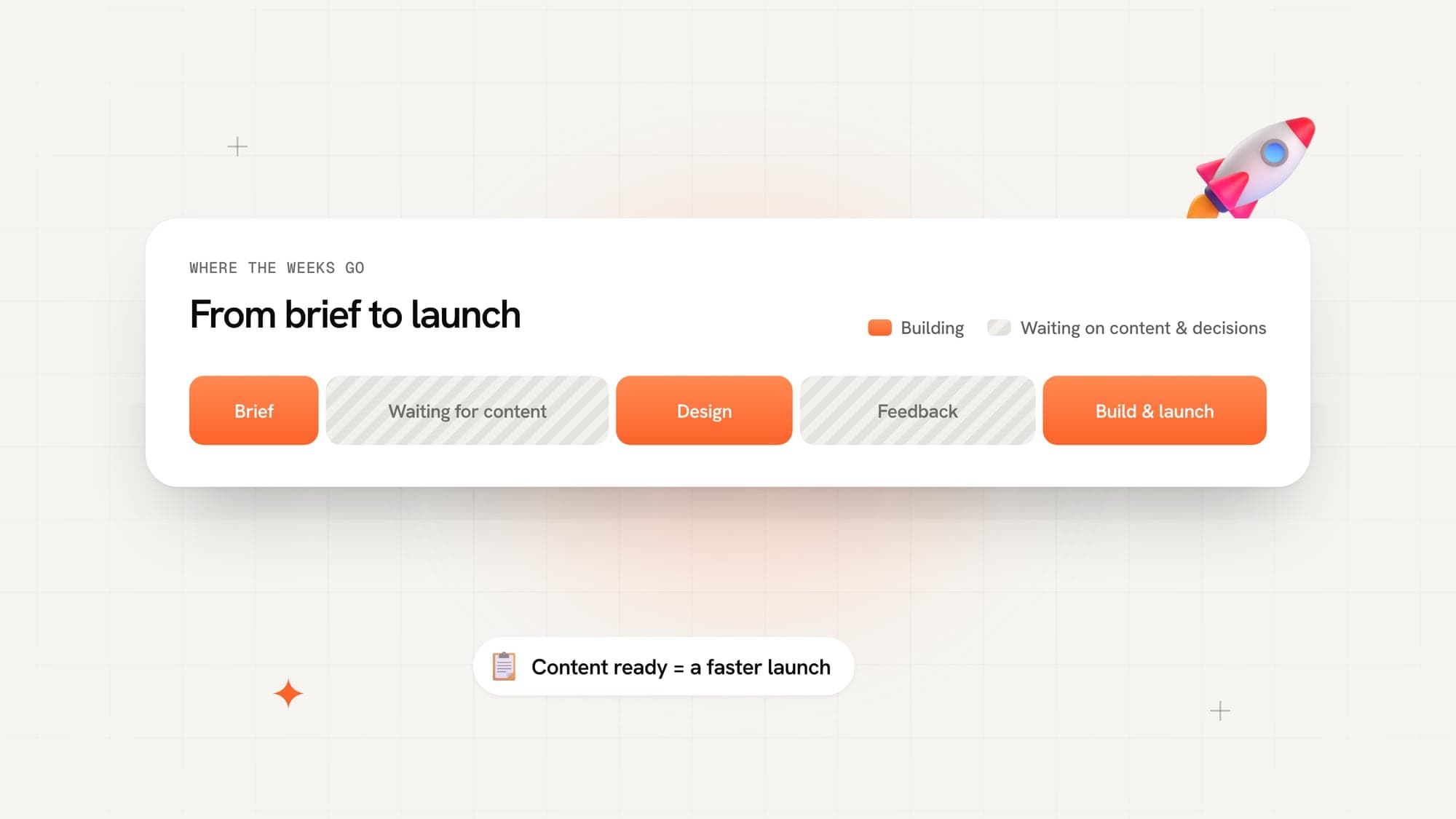
- Content. If you supply the text and photos, the build is faster. Writing, editing and sourcing images adds time.
- Features. Contact forms are standard. Booking, payments, member logins, calculators and dashboards each add real work.
- Selling online. A store needs product pages, a cart, checkout, a payment gateway, shipping and tax rules — far more than a brochure site.
- Integrations. Connecting your CRM, ERP, booking system or WhatsApp takes development time and testing.
- Languages. A bilingual site, such as English and Arabic with right-to-left layouts, needs extra design and build time.
- Speed and SEO setup. Titles, structure, schema, sitemaps and a fast mobile build take time to do properly, and they're what helps the site get found.
How are different types of website priced?
| Type of site | What it usually includes | How it is priced |
|---|---|---|
| Landing page | One page for one offer or an ad campaign, with a lead form and tracking | The smallest build: one page, one goal |
| Business website (5–15 pages) | Home, about, services, work and contact, plus SEO setup | Mostly by the number of pages and how custom the design is |
| Online store | Product catalogue, cart, checkout, payments and order emails | By products, payments and shipping — more work than a business site |
| Web app or SaaS | Logins, dashboards, databases and integrations | Priced per scope — always ask for a written breakdown |
If you're not sure which one you need, start from what the site has to do. "Get enquiries" is a business website or a landing page. "Take payments" is a store. "Let customers log in and do something" is a web app.
What are the running costs most quotes leave out?
The build is a one-off. These come back every month or every year:
- Domain name. Often cheap or free in the first year and more on renewal, so ask for the renewal price, not just the first-year offer.
- Hosting. Shared hosting is enough for most small sites; busy sites and web apps need more.
- Business email. Not usually free. Google Workspace and Zoho Mail both charge per user, per month.
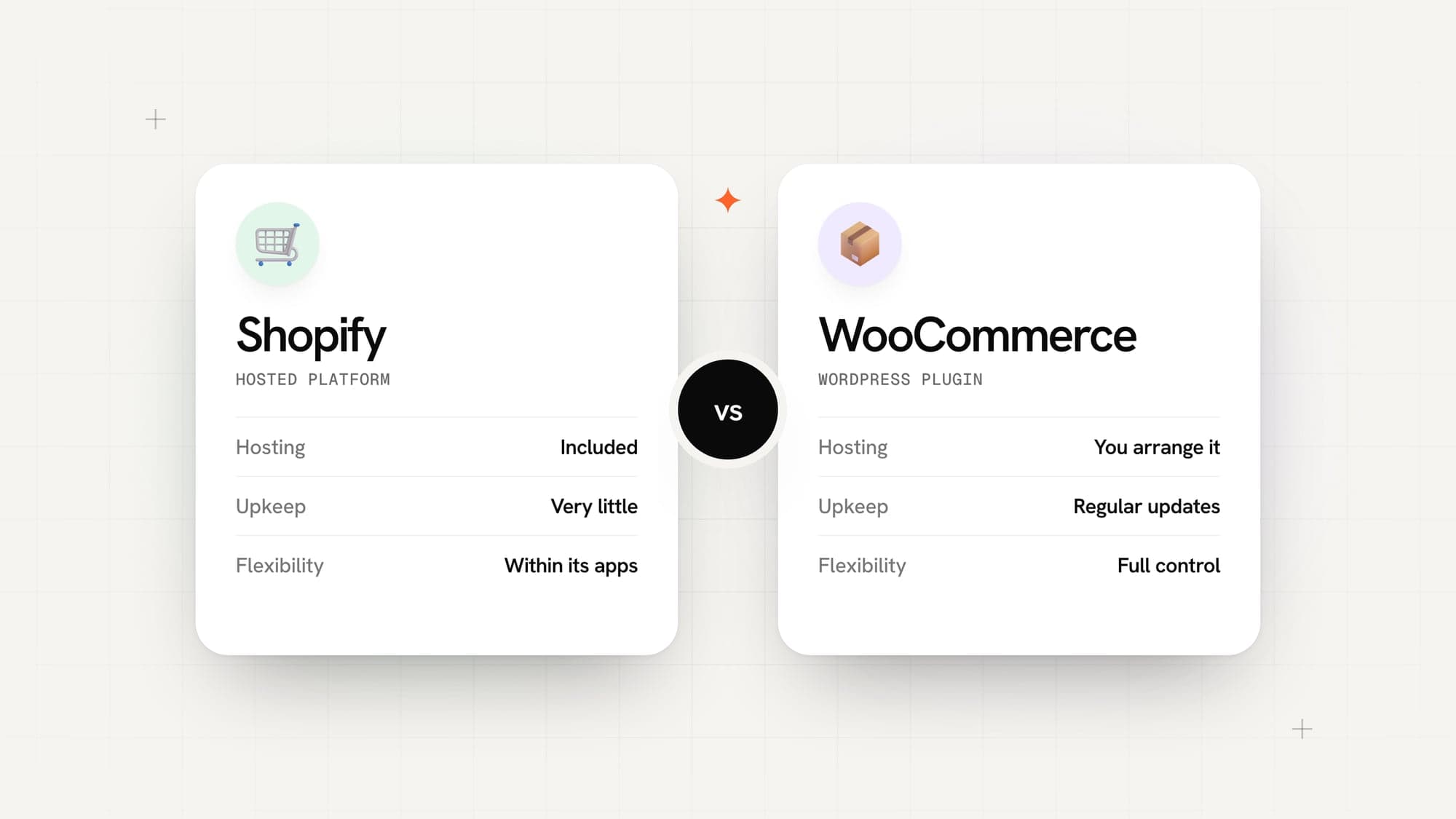
- Platform fees. Hosted builders and store platforms such as Shopify charge a monthly plan.
- Maintenance. Updates, backups and small changes, on a monthly care plan or paid as you need them.
They're not a reason to avoid a website — just a reason to ask about them before you sign.
Freelancer, agency or a DIY builder?
A DIY builder such as Wix or Squarespace is the cheapest way online. You trade money for your own time, and the result depends on your design skills.
A freelancer usually costs less than an agency for the same pages. It works well for simple sites, as long as the person is reliable and around after launch.
An agency costs more, but you get a team: design, development, SEO and support in one place, and someone to call when something breaks. That matters more as the site gets more important to your business.
How do you get an accurate quote?
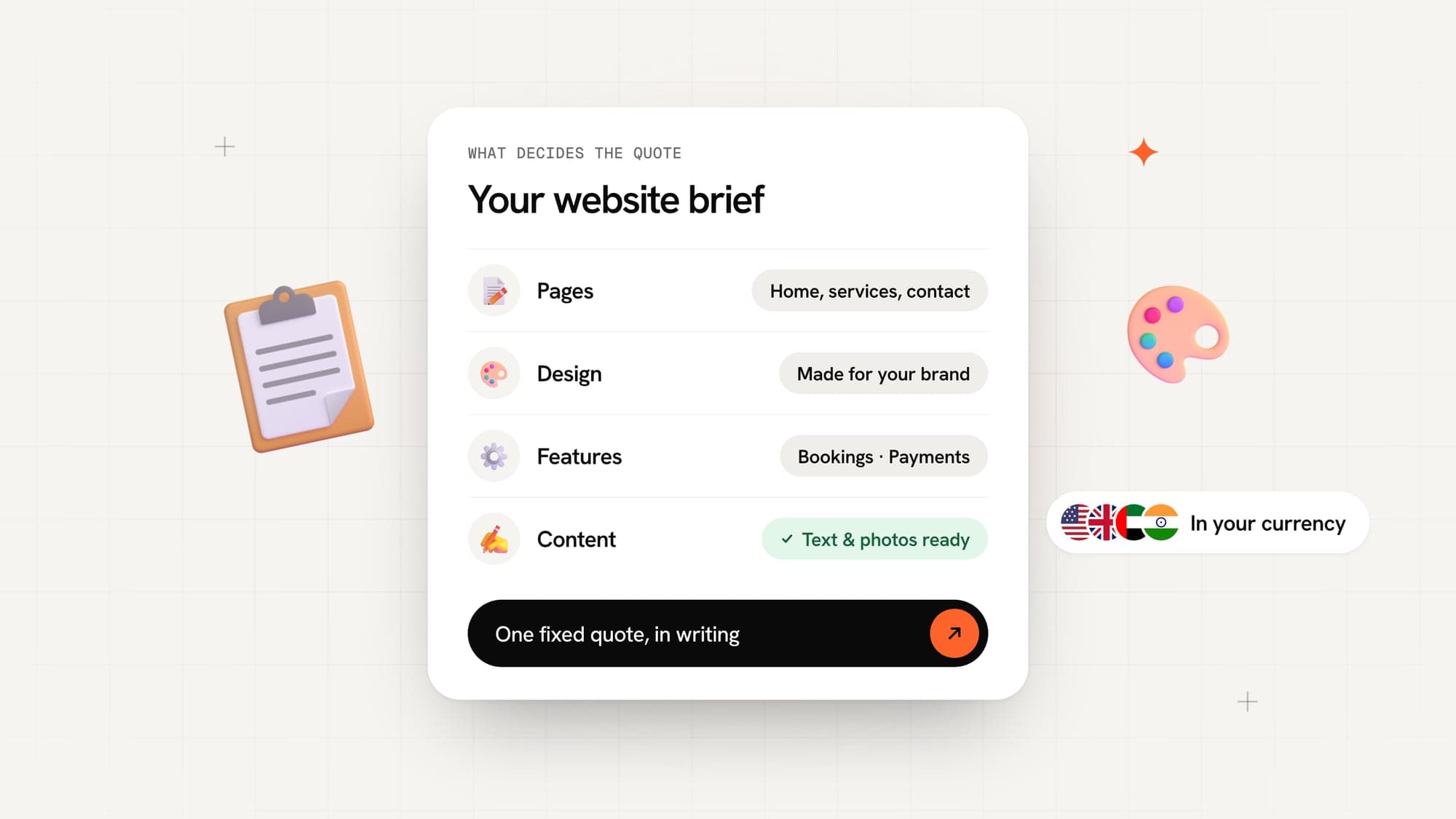
Send every developer the same short brief, so the quotes can be compared:
- The pages you need, even as a rough list.
- What the site must do: get calls, take bookings, sell products, let customers log in.
- Two or three websites you like, and what you like about them.
- Whether your text and photos are ready.
- Your deadline, and who will update the site afterwards.
Then ask each one the same questions. Is the price fixed, in writing? What exactly is included — pages, SEO setup, launch? Will the domain, hosting and code be in your name? What does support cost after launch?
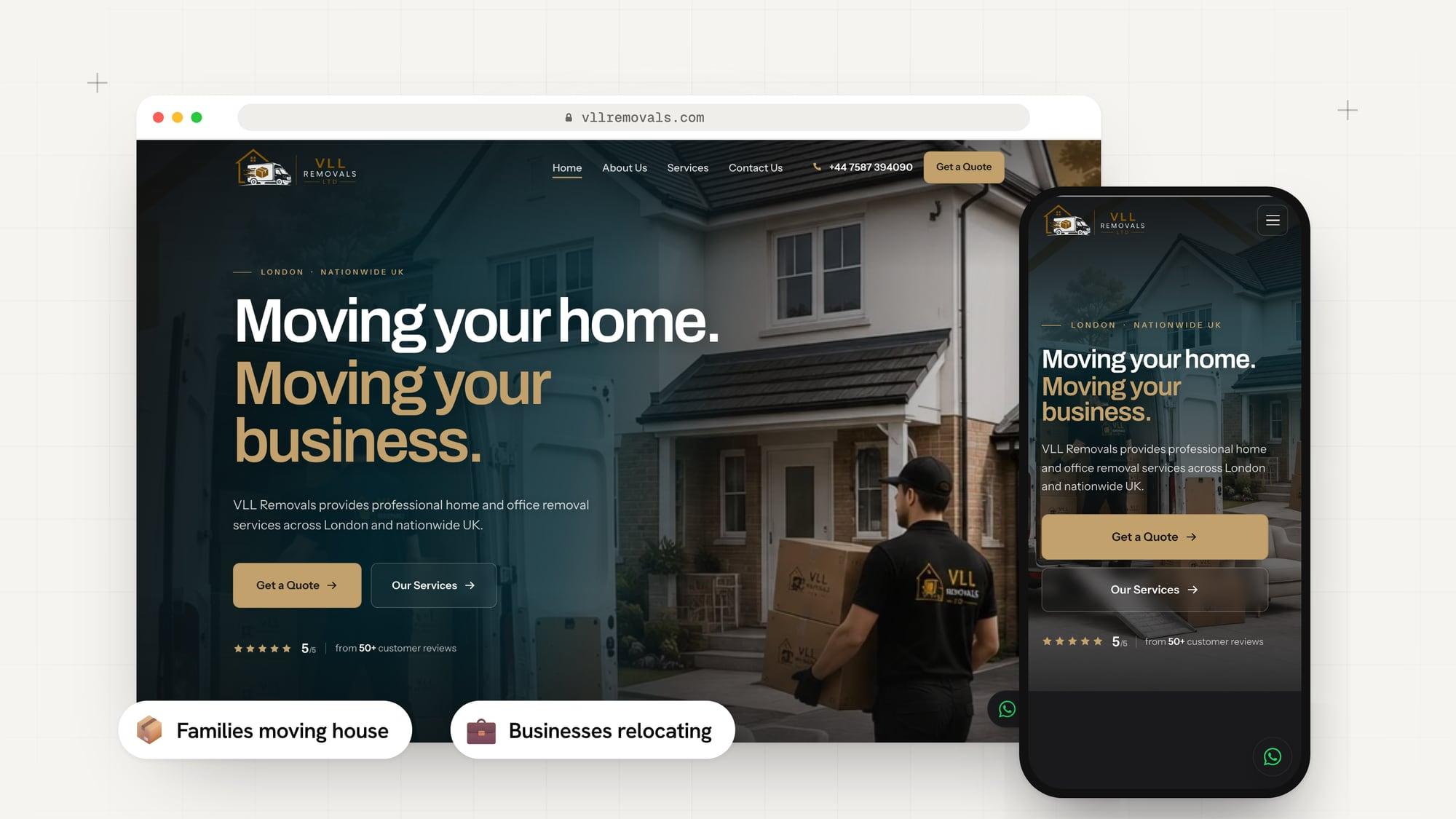
That's also why we don't publish one price list. A five-page site for a London removals company and a store for a Bengaluru retailer are different jobs in different markets. We design your homepage first, free, and then send one fixed quote in your currency.
Common questions
How much should a small business website cost?
It depends on the number of pages, whether the design is custom, the features you need and who writes the content — and on where the team is based. The number that matters is a fixed quote for your own brief, so send each developer the same brief and compare what is included.
Why do website prices vary so much?
Mostly because hourly rates differ from one country to the next. Pages, features, custom design and content work then change how many hours the site needs.
Is a cheap website worth it?
It can be, if the price comes from lower costs and not from cutting corners. Judge a developer by live sites they have built, how fast those sites load on a phone, and whether you will own the domain and the code.
What ongoing costs does a website have?
Domain renewal every year, hosting, business email if you want it, platform fees for builders like Shopify, and maintenance — updates, backups and small changes.
Sources

Written by
Naitik AgrawalFounder & CEO, WebSoln Labs
Founded WebSoln Labs and runs it end to end — the first conversation with a client, the scope, and the standard every build has to clear before it ships. Co-founder of StillYours, a home and property inspection company in Bengaluru. Also built Sippera, which has partnered on hackathons and tech events — including ones with Claude, CloudxAI and PW IOI.